My exploration into Canada’s online gaming scene keeps circling back to one distinctive trend: the Lucky Jet game https://aviacasino.games/lucky-jet/. It’s not just another crash game on a casino site. It has sparked a dedicated following that talks about it in almost spiritual terms. This extends past simple superstition. Players, especially in provinces like Ontario and British Columbia, are voicing a belief that their connection with Lucky Jet—that split-second selection to cash out before the multiplier plummets—feels like an intuitive chat with a vast, chaotic system. They talk about « listening » the game’s pulse, entering a zone of intense focus where a good guess appears less like random luck and more like catching a clear transmission. This concept of « universe communication » is a strong social current, converting a digital betting game into a personal gauge for one’s tie to chance. It’s a significant cultural shift, revealing how we incorporate personal beliefs into our digital interactions.
The Fundamental Mechanics of Lucky Jet: A Game of Anticipation
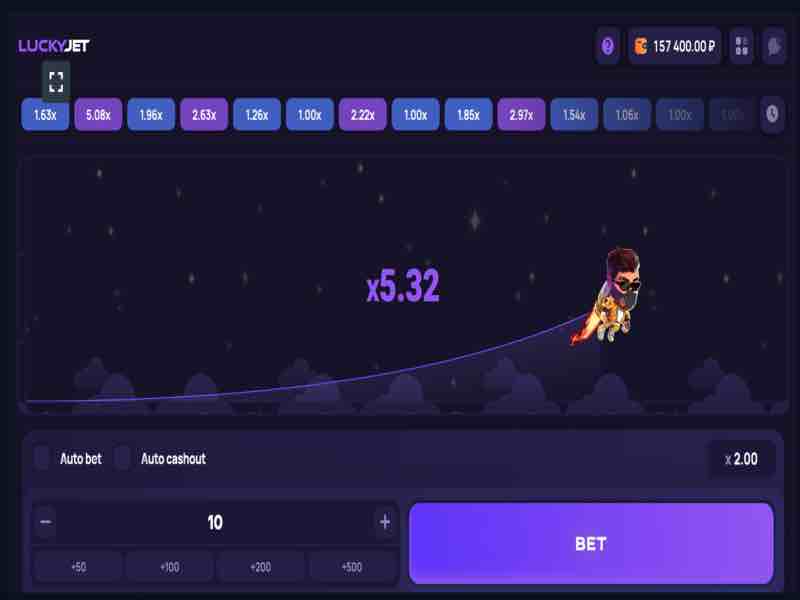
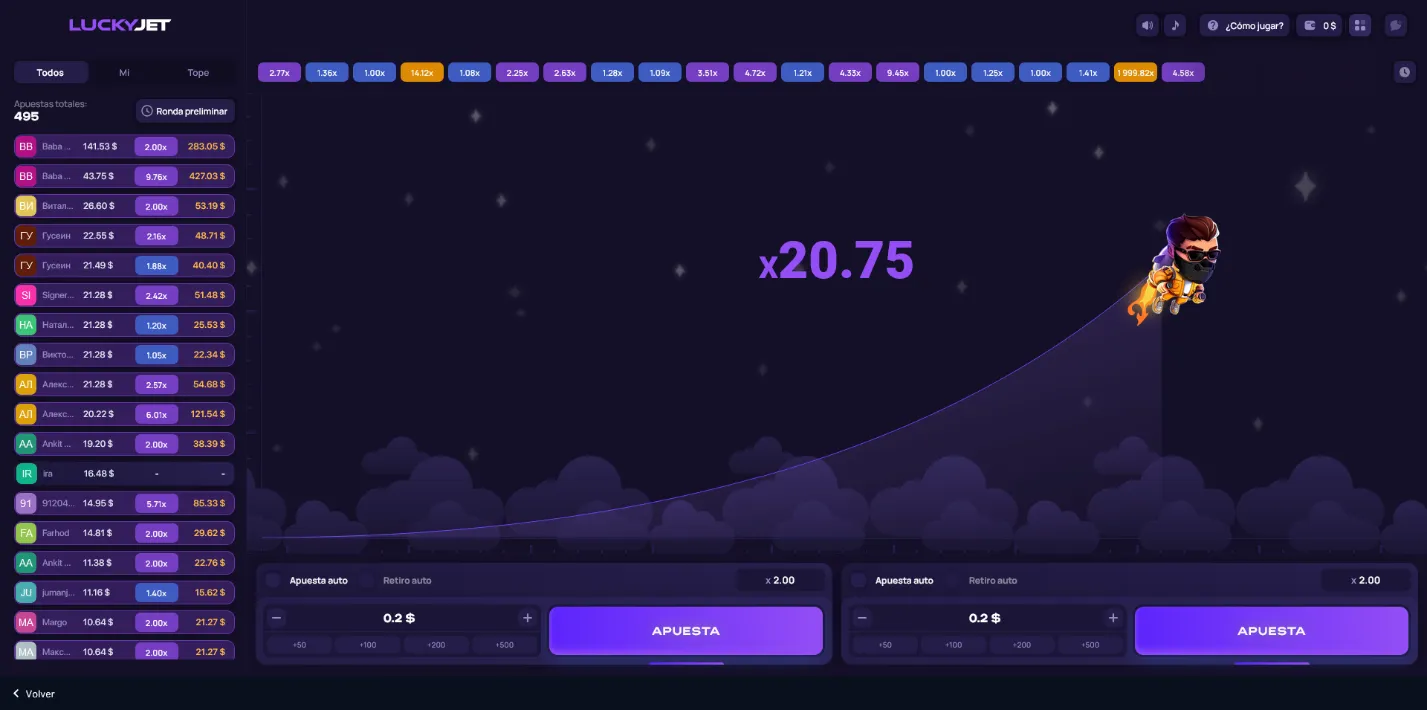
You need to know how Lucky Jet operates to grasp why these beliefs have taken root. Fundamentally, it’s a simple crash game. A little jet ascends on screen, and a multiplier begins climbing from 1.00x. As a player, I make a bet before launch, then I have to choose the exact moment to hit « cash out, » locking in my bet multiplied by the current number. The downside is the jet can disappear—crash—at any random instant, wiping out all bets still in play. Nobody can skillfully predict the crash point; a provably fair algorithm decides it. All the psychological pressure comes down to that millisecond decision: cash out or let it ride. This quick loop of risk and reward, over in seconds, generates a strong mix of adrenaline and concentration. It’s in that white-hot moment of choice that players report they find a flow state, a feeling of being « in sync » with some hidden rhythm. So the game’s mechanics are not just rules. They establish the framework for a personal drama of instinct fighting reason.
The Canadian Perspective: Intuition as Cosmic Message
A specific way of talking about Lucky Jet has appeared in Canadian forums, social media circles, and player stories. Canadian players, maybe influenced by the country’s huge wild spaces and a general inclination to different spiritual ideas, often depict their gameplay with words about intuition and cosmic connection. I’ve read numerous accounts where a winning cash-out gets credited not to « luck » but to « catching the signal » or « riding the right wave. » A common thread suggests the game’s random number generator isn’t just a cold piece of code, but a chaotic system you can briefly get in tune with. This belief lets players narrate their wins as personal triumphs of awareness and their losses as just a brief lapse in that universal connection. It’s a very human need to find meaning in chaos. Within Canada’s digital pockets, Lucky Jet has transformed into an odd little instrument for this kind of exploration—a low-stakes, high-tension simulator for checking your link to the invisible beat of chance.
Psychological Foundations of the « Communication » Notion
The cognitive framework behind this « universe communication » notion is as intriguing as the conviction. My reading indicates a few well-known cognitive biases. The illusion of control sits at the top. In any game of chance, people hunt for patterns and a sense of influence. Hitting that « cash out » button provides a concrete moment of control, making the result feel earned. Then there’s confirmation bias. Players remember and applaud the times they « had a feeling » and won, while quietly overlooking the many times the same feeling led to a crash. This filtered memory reinforces the myth of a receivable signal. The game’s own design, with its building tension and constant possibility of instant loss, sets players in a heightened emotional state where gut feelings seem louder and more dependable. In that space, believing you’re talking to the game’s universe becomes a useful coping trick. It changes nerve-wracking randomness into a conversation you can almost grasp.
Community and Shared Customs in Canada’s Player Bases
This notion doesn’t survive alone. It is shaped and influenced by community. In Canada, Lucky Jet enthusiasts meet in certain online places to swap « strategies, » which often become detailed rituals disguised as tips. I’ve noticed forum posts where players discuss the best time of day to feel « in the zone », or share the fate-driven things they do before starting a session. These shared habits form a group mythology around the game. When someone shares a screenshot of a big win they achieved by cashing out on a hunch, it serves as a convincing proof for the rest, making the entire idea feel more genuine. This group element is crucial. It changes a individual move into a shared group event. Phrases like « reading the signs » or « listening to the jet » turn into a unified lingo, a way for players to relate over this common digital thing. The player base doesn’t simply play. It cooperates to create a myth about what the game means and how to reach its alleged hidden layer.
Alternative Perspective: The Reality of Provably Fair Algorithms
For all the power of player stories, I must lay them next to the technical truth. Lucky Jet games operate on provably fair systems. That indicates the outcome of every round—the exact crash second—is set by a cryptographically secure random number generator the moment the round starts. No pattern appears to find. No rhythm waits to be learned. No signal is being sent. The multiplier’s path is fixed and unchangeable from the instant the jet lifts off. My option to cash out is just a gamble against a hidden, predetermined number. The powerful sense of anticipation and the sensation that I’m shaping the outcome are meticulously crafted by the game’s live visuals and my own ability to click. Getting this split is crucial. The « communication » happens entirely inside the player’s head. It’s a exchange between their own mind and the rush of risk. Technically speaking, the « universe » in « universe communication » is a string of encrypted digits, not a conscious force.
Navigating Play: Conscious Engagement with the Trend
With such a intense psychological pull and common beliefs around Lucky Jet in Canada, talking about responsible play is critical from where I stand. The story of intuitive communication can be a risky lure. It can convince a player that with enough focus or spiritual attunement, they can beat the algorithm. That is a sure route to forfeiting money. People must treat gameplay as paid entertainment, where the price buys the thrill of the experience, not a promised payout. Setting strict money and time limits before logging on is crucial, and those limits should be treated as unbreakable rules. The community side should be appreciated for its social connection, not for its commonly mistaken « winning strategies. » My advice is to consider the game as a captivating psychological and social case study, a reflection of our hunger for pattern and meaning. Enjoy the ride. Listen to the community tales. But always keep in mind that the only real dialogue happening is with your own sense of caution and your wallet.